**WASHINGTON, D.C. —**
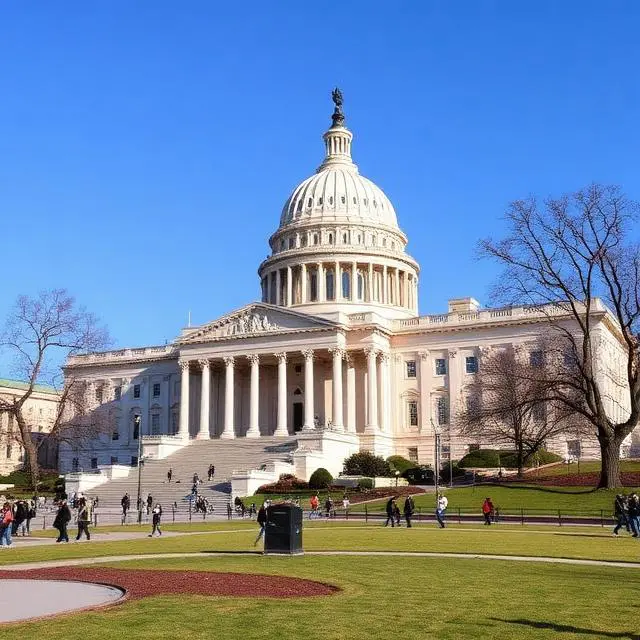
In what experts are calling “the most awkward scientific breakthrough since the invention of the calculator,” researchers at the totally not fictional and deeply underfunded East Atlantic Institute For Science announced Thursday that contaminated beach sand collected from a polluted stretch of West Coast coastline demonstrated “measurably higher problem-solving capabilities” than the current United States Congress. Lead researcher Dr. Harold R. Bane, PHD revealed the findings during a packed press conference attended by journalists, environmental activists, old hippies, and several confused tourists who thought they were there for a seafood festival & Grateful Dead Concert presented by Red Lobster.
“We originally began testing the sand for toxic runoff,” Bane explained while standing beside a glass container labeled Specimen 14-B. “But during routine analysis, we noticed the particles consistently organized themselves into more efficient patterns than several recent congressional budget proposals and tweets.”
According to the study, the contaminated sand completed basic logic puzzles, formed simple geometric structures, and—most impressively—managed to remain silent for nearly three consecutive hours. “That alone placed it ahead of at least 70 percent of Capitol Hill,” Bane added. Researchers say the sand was exposed to decades of industrial waste, chemical dumping, and microplastics. Somehow, instead of becoming inert sludge, it allegedly developed primitive collective reasoning abilities.
In one experiment, scientists placed the sand beside a televised congressional hearing and monitored responses. The sand reportedly attempted to retreat from the room. “We interpreted that as self-preservation,” said laboratory technician Monica Reyes. The study reached peak controversy after researchers conducted what they called the “Infrastructure Challenge.” Members of Congress and the contaminated sand were each asked to design a plan to repair a fictional bridge. The sand immediately formed a stable support structure. Congress requested six months of hearings, three investigations, blamed the other party, farted, and suggested a commemorative coin.
Reaction in Washington was swift. Several lawmakers condemned the study as “anti-democratic,” while others demanded that the sand testify before a committee. One unnamed senator reportedly asked whether the sand could be lobbied or what skeletons it may have in its sea closet. Meanwhile, environmental groups have expressed concern that the discovery distracts from the serious ecological damage affecting America’s coastlines.
“Yes, it’s funny,” said environmental advocate Lena “Captain Planet” Brooks. “But maybe we should focus on the horrifying fact that our beaches are apparently evolving survival instincts.” Public response has been divided. Social media users quickly embraced the sand as a potential third-party candidate, with hashtags like #Sand2028 and #GrainsOfTruth trending nationwide by Thursday evening. A parody campaign website briefly appeared online promising that the sand would “do nothing efficiently,” which polls showed many voters considered a major improvement. At press time, congressional leaders had announced plans to launch a bipartisan investigation into whether the sand was “woke.”
**Editor’s Note: We can’t make this shit up…**